Heritage · Landmark
Great Wall of China: History, Attractions & Visitor Guide
Great Wall of China is a historic and cultural icon known for its significance and beauty. Explore its history, key attractions, and visitor information.Written to last — not to trend.
By Confinity Heritage Editorial · 2026-04-23 · 7-minute readQuiet tools, not a toolbar.
Great Wall of China
Introduction
Quick Facts
- Name: Great Wall of China
- Location: Northern China
- Year Established: Initial construction began in the 7th century BC; major sections built during the Ming Dynasty (1368–1644)
- UNESCO Status: Yes (1987)
- Height/Dimensions:Average height: 6 to 7 meters (20 to 23 feet)Highest point: 14 meters (46 feet)Average width: Approximately 6.5 meters (21.3 feet)
- Average height: 6 to 7 meters (20 to 23 feet)
- Highest point: 14 meters (46 feet)
- Average width: Approximately 6.5 meters (21.3 feet)
- Visitor Stats: Attracts around 50 million visitors annually.
Origins of the Great Wall of China
Transformation Over Time
Cultural and Political Role
Unique Features of the Great Wall of China
Design and Construction
Renovation and Conservation
Role in Local Traditions
Symbolism
Recognition
Location
Address:
- Badaling: Approximately 70 km northwest of Beijing's city center.
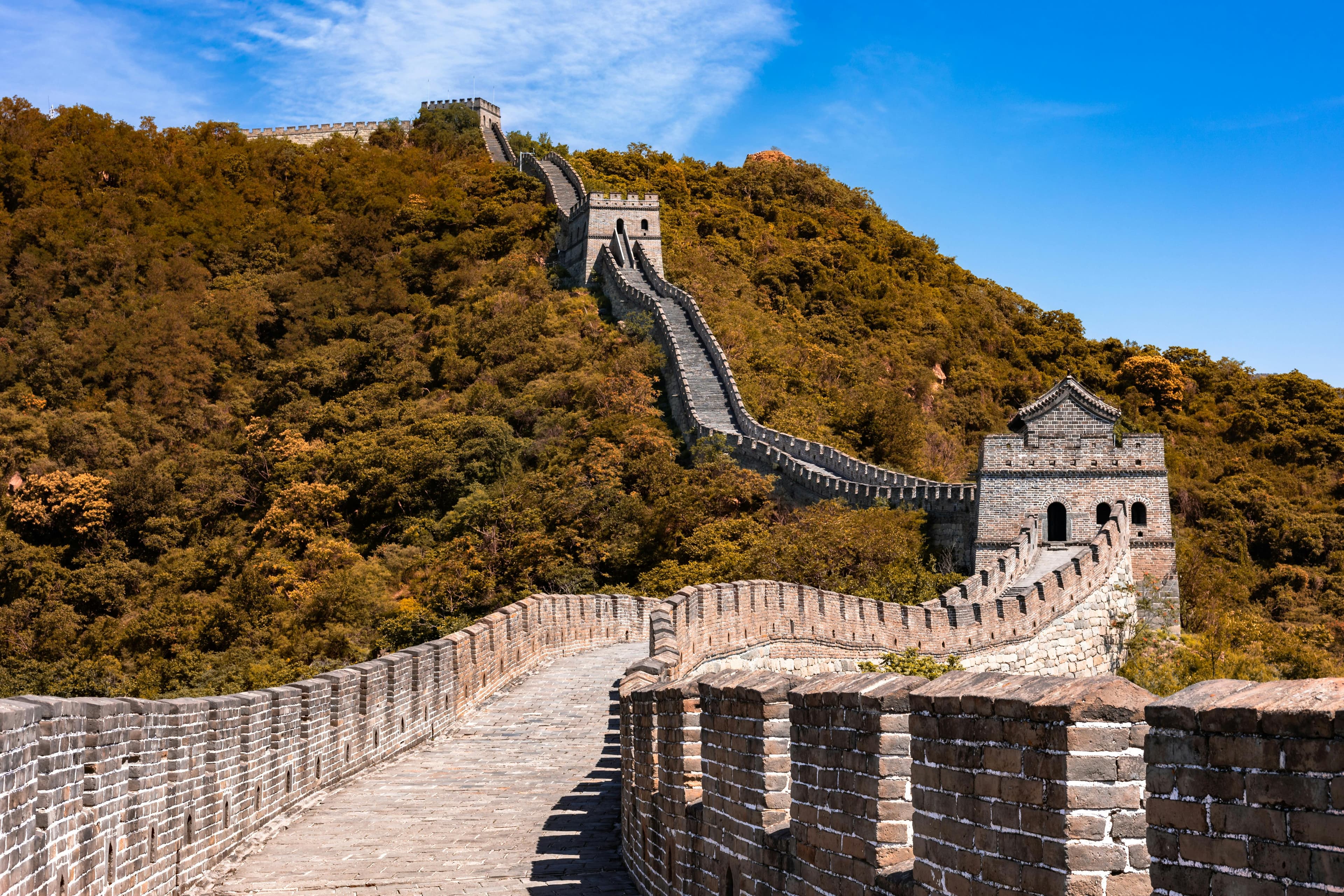
- Mutianyu: About 73 km northeast of Beijing.
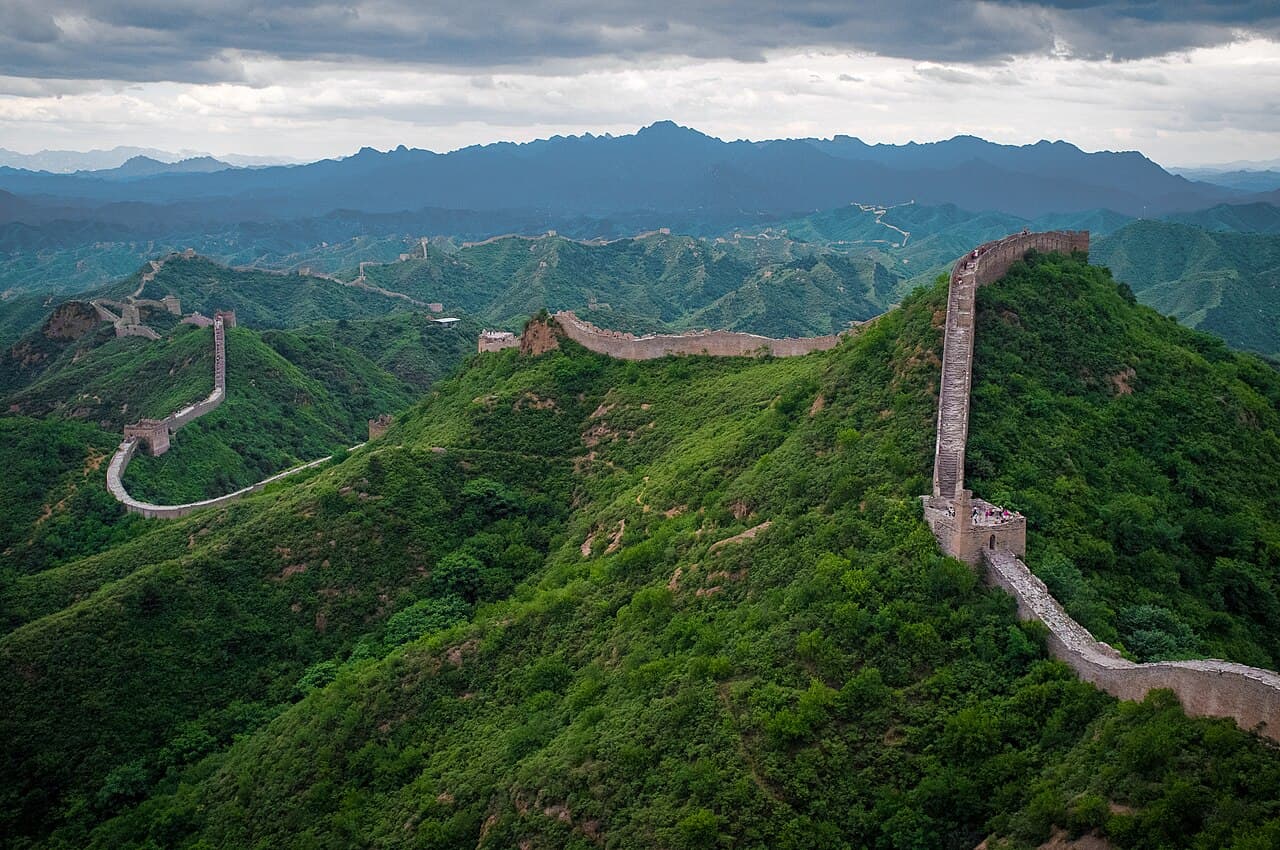
- Jiankou and Simatai: Also accessible from Beijing, though less frequented.
Geographical coordinates:
Hours, Fees, and Amenities
Opening hours/Hours of Operation:
Fees:
Cable car fees:
Amenities:
Accessibility
Pro Tips
Cultural Activities
- Great Wall Red Leaves Festival: Celebrated in October and November, this festival showcases the vibrant red foliage surrounding the wall.
- Dragon Dance Performance: A large-scale dragon dance is held to promote intangible cultural heritage, often featuring a massive dragon that dances across watchtowers.
- Beijing Great Wall Cultural Festival: Features performances like singing choruses, drum dances, and operas that highlight Chinese culture.
- YinYang Music Festival (YYMF): Hosted near the Great Wall, this festival combines music with outdoor sports and wellness activities amidst breathtaking scenery.
Hidden Gems
- Mutianyu's Storytelling Hall: Located near Mutianyu's cable car station, artists gather to share stories about repairing and guarding the wall. This offers insights into local legends intertwined with historical events.
Did You Know?
- A series of walls
- Sticky Rice Mortar
- Burying within the wall
- Length of the wall
- Vulnerability
Famous Visitors
- Richard Nixon: His visit in 1972 marked a significant moment in U.S.-China relations.
- Queen Elizabeth II: Her visit in 1986 showcased diplomatic ties.
- Numerous actors and artists: Including Jackie Chan, who filmed scenes for several movies on the Great Wall.
Pop Culture Impact
- Movies: Featured in films like "The Karate Kid" (2010), "The Mummy: Tomb of the Dragon Emperor" (2008), and "The Great Wall" (2016).
- Literature: Inspires countless works of fiction and non-fiction.
- Art: Celebrated in various art forms, including photography (as seen in the image results provided), paintings, and digital art.
Challenges
Current Initiatives
How Visitors Can Help
Complementary Sites
- Ming Tombs
- Sacred Way
- Summer Palace
- Forbidden City
- Temple of Heaven
Suggested Itineraries
- Morning (3-4 hours):Visit the Mutianyu section of the Great Wall (less crowded than Badaling).Take a cable car or chairlift up, then hike along the wall.
- Visit the Mutianyu section of the Great Wall (less crowded than Badaling).
- Take a cable car or chairlift up, then hike along the wall.
- Afternoon (4-5 hours):Explore the Ming Tombs and the Sacred Way.Enjoy a traditional Chinese lunch in a local restaurant.Return to Beijing in the late afternoon.
- Explore the Ming Tombs and the Sacred Way.
- Enjoy a traditional Chinese lunch in a local restaurant.
- Return to Beijing in the late afternoon.
Practical Tips
- Is photography allowed?
- What's the best time to visit?
- What should I wear?
- Are there restrooms available?
- Can I bring food and drinks?
- Is there Wi-Fi available?
- Are there guided tours available?
- How much time should I allocate for a visit?
- Is it safe to visit the unrestored sections?
Insider Insights
- Purchase your tickets in advance through official websites or authorized vendors to avoid long waiting times, especially during peak season.
- If you prefer a quieter visit, choose the Mutianyu section, which is less crowded than Badaling but equally attractive.
- Some sections of the wall are open early or late, offering a unique opportunity to witness the sunrise or sunset from a historic vantage point.
- Local guides can share personal stories and insights.
- For a fun and unique way to descend from the Mutianyu section, try the toboggan run.
- Knowing basic phrases like "hello" (你好 - nǐ hǎo) and "thank you" (谢谢 - xiè xiè) can improve your interactions with locals.
- The weather on the Great Wall can change quickly, so check the forecast before your visit and dress accordingly.
- Protect yourself from the sun, especially during summer visits.
- Bring essentials like water, snacks, sunscreen, and a first-aid kit, but avoid carrying unnecessary weight.