Culture · Essay
Keening: the lament Ireland lost
For centuries, Irish funerals had a sound: women improvising sung poetry over the dead, praising, questioning, wailing, in a practice the Church condemned for three hundred years and modernity finally silenced. On the caoineadh, and what died with it.Written to last.
By Confinity Editorial · 2026-08-23 · 6-minute readQuiet tools, kept out of the way.
The Irish wake that survives today, the open house, the stories, the drink taken beside the coffin, is missing its original soundtrack. For most of recorded Irish history, a death in the house meant a sound would rise over it: the caoineadh, the keen, a sung lament performed over the body, and it was not weeping. It was composition.
The keeners, almost always women, the family's own and, for those who could arrange it, women renowned for the art, sang to the dead person, in improvised verse: praising what they had been, recounting what they had done, asking them, sometimes furiously, why they had gone, interleaved with a wordless wailed refrain the whole room could join. A great keen was poetry produced at the worst moment of a family's life, on demand, aloud, and contemporaries who heard the real thing, before it faded, described something closer to being inside grief than listening to it.
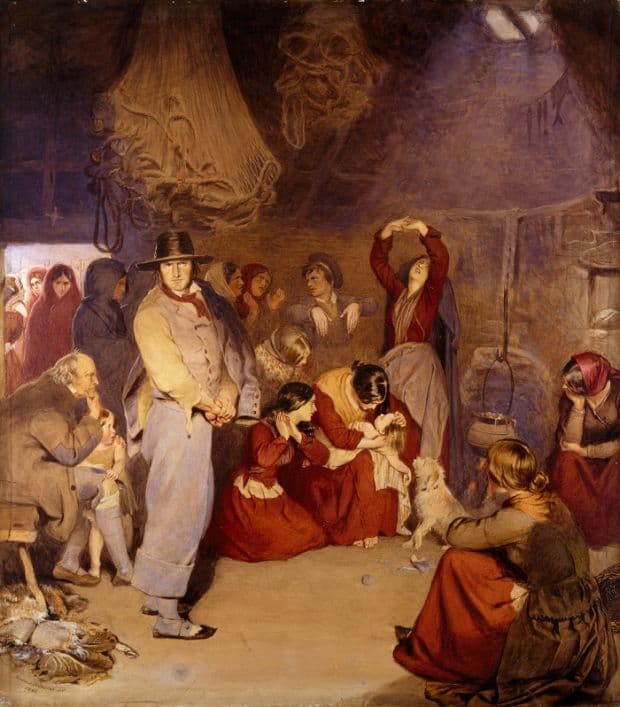 The keen's enemies were persistent and well-documented. Catholic synods condemned the practice repeatedly from the seventeenth century onward, fining and denouncing; the objections ran from theological, grief so unrestrained implied doubt in the resurrection, to social, paid keeners struck reformers as professional insincerity. The disapproval, sustained across three hundred years, tells you how deep the custom ran: institutions do not spend centuries banning things nobody does.
What the Church began, respectability and catastrophe finished. The Famine broke the transmission in the places the tradition ran deepest; emigration scattered the rememberers; and by the twentieth century the keen survived mostly in fragments collected from the last old women who had done it, recorded by folklorists a generation too late. Ireland kept the wake and lost its voice, and the loss is now studied, mourned and occasionally revived by singers and scholars working from those fragments.
Set the keen beside its cousins and its distinctiveness sharpens. The jazz funeral plays composed music for the dead; the griot recites a lineage rehearsed across years. The keen was made of the dead person, on the spot: their nickname, their boat, their generosity, their orphaned children, versified in front of everyone who knew whether it was true. It was, in the plainest sense, a sung obituary, biography's most perishable form, composed for one performance, never written down, gone by the burial.
Which is the part worth grieving. Thousands upon thousands of keens were made over the centuries, each one a dense, specific, eyewitness account of an ordinary person, and the surviving corpus is a handful of texts, the famous Caoineadh Airt Uí Laoghaire towering over the rest largely because someone eventually wrote it down. The rite was magnificent and its retention rate was zero.
Keening died of several causes, but what made its death total was that nothing held what it carried. The performances lived in performers, the verses in the air, and when the chain of women broke, every biography they had ever sung went with them, a loss this library has met in the griot's warning that a library burns when an old person dies. The wake survived because it needs only a house and neighbours; the keen needed keepers, and had none.
Every family still runs the same risk in prose. The stories told over a coffin, the sharp specific true things said once, in grief, by the people who knew, are keens: composed at the funeral, gone by the burial, unless someone writes them where the family keeps things. Confinity exists to be that page, and the keeners' fate is the argument for filling it while the singers are alive.
The keen's enemies were persistent and well-documented. Catholic synods condemned the practice repeatedly from the seventeenth century onward, fining and denouncing; the objections ran from theological, grief so unrestrained implied doubt in the resurrection, to social, paid keeners struck reformers as professional insincerity. The disapproval, sustained across three hundred years, tells you how deep the custom ran: institutions do not spend centuries banning things nobody does.
What the Church began, respectability and catastrophe finished. The Famine broke the transmission in the places the tradition ran deepest; emigration scattered the rememberers; and by the twentieth century the keen survived mostly in fragments collected from the last old women who had done it, recorded by folklorists a generation too late. Ireland kept the wake and lost its voice, and the loss is now studied, mourned and occasionally revived by singers and scholars working from those fragments.
Set the keen beside its cousins and its distinctiveness sharpens. The jazz funeral plays composed music for the dead; the griot recites a lineage rehearsed across years. The keen was made of the dead person, on the spot: their nickname, their boat, their generosity, their orphaned children, versified in front of everyone who knew whether it was true. It was, in the plainest sense, a sung obituary, biography's most perishable form, composed for one performance, never written down, gone by the burial.
Which is the part worth grieving. Thousands upon thousands of keens were made over the centuries, each one a dense, specific, eyewitness account of an ordinary person, and the surviving corpus is a handful of texts, the famous Caoineadh Airt Uí Laoghaire towering over the rest largely because someone eventually wrote it down. The rite was magnificent and its retention rate was zero.
Keening died of several causes, but what made its death total was that nothing held what it carried. The performances lived in performers, the verses in the air, and when the chain of women broke, every biography they had ever sung went with them, a loss this library has met in the griot's warning that a library burns when an old person dies. The wake survived because it needs only a house and neighbours; the keen needed keepers, and had none.
Every family still runs the same risk in prose. The stories told over a coffin, the sharp specific true things said once, in grief, by the people who knew, are keens: composed at the funeral, gone by the burial, unless someone writes them where the family keeps things. Confinity exists to be that page, and the keeners' fate is the argument for filling it while the singers are alive.
Three centuries of disapproval